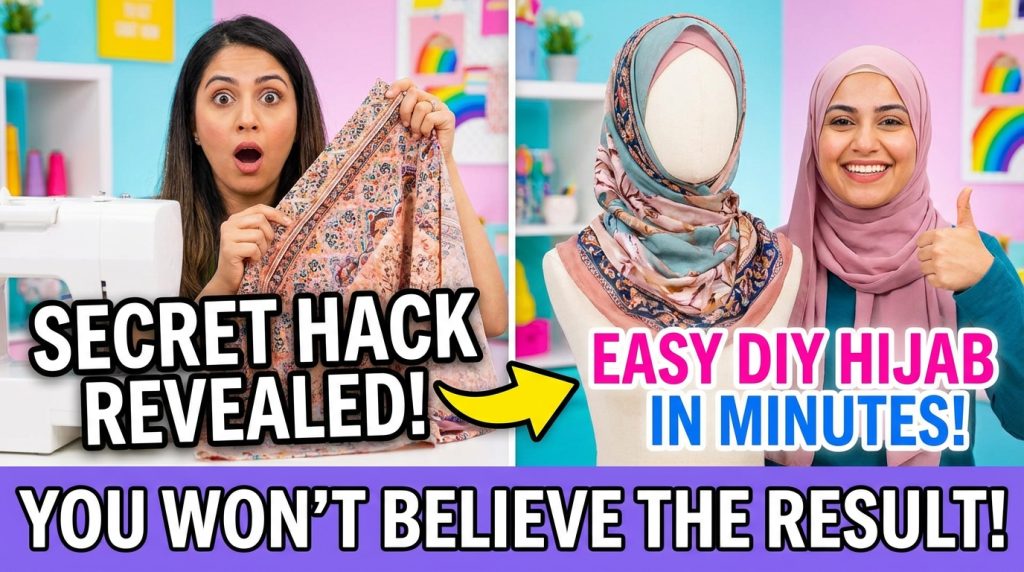
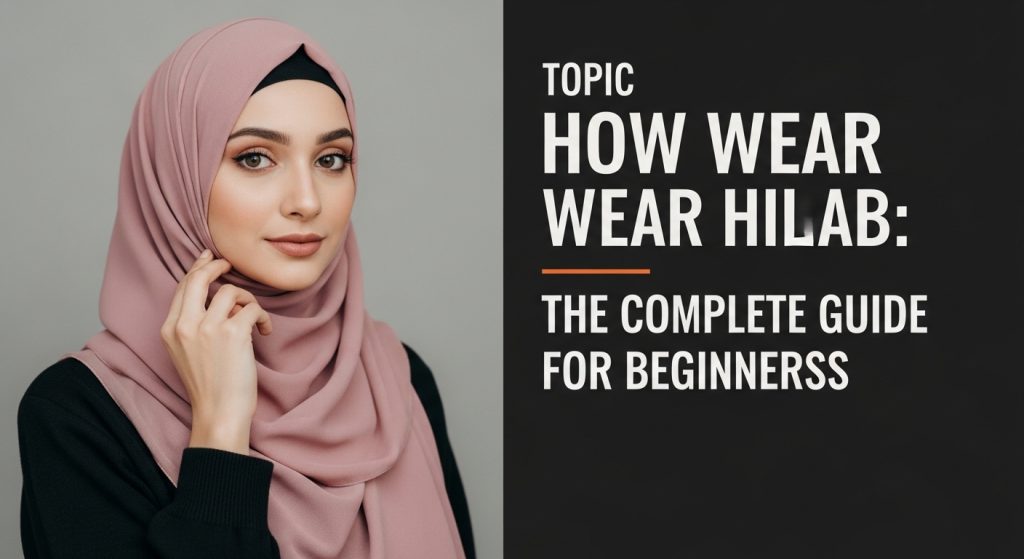
I still remember the first time I tried to put on a hijab properly. I had the scarf, I had the pins, I had absolutely no idea what I was doing. One side was longer than the other, the fabric kept slipping, and I spent twenty minutes in front of the mirror fixing something that should’ve taken five. If that sounds familiar, you’re in the right place.
After thirty years working with Muslim women’s clothing, I can tell you that wearing a hijab well isn’t about talent. It’s about knowing the basics, understanding your fabric, and finding a style that actually works for your face shape and lifestyle. So here’s everything you need to know.
Start With the Right Foundation
Before the hijab even goes on your head, you need an undercap. This is the single most important step that beginners skip, and it’s the reason why so many women spend their day constantly adjusting their scarf. An undercap gives the hijab something to grip onto. Without it, especially with smoother fabrics, the whole thing slides back within an hour.
Pick a cotton undercap for everyday wear. Cotton absorbs sweat, keeps you comfortable during long hours, and doesn’t add bulk. Keep a few neutral colours on hand black, white, and beige cover most outfit combinations without thinking about it too hard.
Your hair also matters here. Tie it into a low bun at the nape of your neck before putting on the undercap. A flat base means the hijab sits smoothly on your head rather than creating an odd shape at the back. Small detail. Big difference.
The Classic Everyday Style: Step by Step
This is the most widely worn style and the best place to start. Once you have this down, everything else builds naturally from it.
Put on your undercap first. Then take your hijab and drape it over your head so that one side is noticeably shorter than the other. The shorter side should fall just below your chin. The longer side is what you’ll work with.
Take the shorter side and pin it under your chin using a small hijab pin. Make sure the fabric sits close to your face and covers your hairline. Pull it slightly forward if needed, you want coverage at the forehead without the pin digging in uncomfortably.
Now take the longer side. Bring it across your chest, wrap it around the back of your head, and bring it forward over the opposite shoulder. Secure it with another pin either at the side of your neck or on the shoulder depending on how much drape you want. Adjust the folds so they lay flat and frame your face evenly.
That’s the foundation. It sounds like a lot of steps written out, but in practice it takes about three minutes once you’ve done it a few times.
Choosing the Right Hijab Fabric
Fabric changes everything. The same style looks completely different depending on what the scarf is made from, and certain fabrics suit certain occasions much better than others.
A jersey hijab is probably the most beginner-friendly option available. It’s stretchy, it grips well, and you can often wear it without any pins at all. You pull it on, wrap the longer end around, tuck it in, and it stays. For busy mornings and everyday outings, jersey is hard to beat. You forget you’re even wearing it after a few minutes.
A chiffon hijab is lightweight and drapes beautifully. It catches light in a way that jersey simply doesn’t, which makes it the go-to for formal occasions, gatherings, and occasions where you want the outfit to look considered. The trade-off is that chiffon is more slippery and needs more pinning. Use magnets rather than pins with chiffon if you can – they hold without pulling tiny holes in the fabric over time. According to HijabO Hijab’s style guide, chiffon works best when paired with an undercap that has grip, because the fabric itself has very little natural traction.
A crepe hijab sits between the two. It has more body than chiffon but drapes more softly than jersey. It holds its shape well throughout the day and works across both casual and formal settings. If you’re building a small hijab wardrobe and want one fabric that does a lot of the work, crepe is probably the most versatile starting point.
For summer specifically, a linen hijab or cotton hijab keeps you much cooler during long hours outdoors. They’re breathable in a way that synthetic fabrics simply aren’t, and they don’t trap heat against your head the way some heavier materials do.
The No-Pin Jersey Style
This one is specifically for jersey fabric and it’s genuinely the fastest way to get out the door looking put together.
Place the jersey scarf over your head with one side longer. Tighten it gently around your face so it sits snug without pulling. Take the longer end, bring it across the front of your chest, then wrap it around the back of your head and over the top. Tuck both ends into the fabric near your collar or the back of the scarf. Because jersey stretches and grips, it holds itself in place without needing a single pin.
The whole process takes about ninety seconds once you know what you’re doing. It’s the style I recommend to anyone who finds pins fiddly or uncomfortable.
Using Hijab Magnets Instead of Pins
Hijab magnets have genuinely changed the way a lot of women style their scarves and they’re worth understanding properly.
They come in pairs. One magnet sits on the outside of the fabric, the other on the inside. They attract each other through the fabric and hold the scarf firmly without piercing it. No holes, no sharp points, no accidental jabs when you’re rushing.
For delicate fabrics like chiffon or silk, use smaller magnets, the strong neodymium ones can leave slight marks on very fine fabric if they’re too large. For thicker fabrics like cotton or a heavier crepe, you need a stronger, larger magnet to get a secure hold. Getting the size right means the difference between a hijab that stays put all day and one that starts shifting by mid-afternoon.
Position the first magnet under your chin where you’d normally place your first pin. Then position the second one at the side where you want to secure the wrap. Check in a mirror that both sides sit evenly and the fabric isn’t bunching. Adjust the drape before the magnets are fully in place, it’s much harder to move fabric after the magnets have locked together.
The Flowy Chiffon Style
This is the style you reach for when you want the outfit to look like you put real thought into it. It suits formal occasions, weddings, and any event where a more polished look is appropriate.
Take your chiffon hijab and drape it over your head with one side longer. Bring the shorter side across and pin or magnet it under your chin. Take the longer side and instead of wrapping it tightly around your head, let it fall naturally across your chest or drape it over one shoulder. The key with chiffon is not to pull it tight – let the fabric do what it naturally wants to do, which is flow. Adjust the fold at the front so it frames your face without pulling the fabric taut.
A magnet at the shoulder keeps the draped end from sliding without disrupting the flow of the fabric. This is where a good-quality magnet makes a real difference.
Hijab Styles for Different Face Shapes
This is something most guides skip and it’s one of the most practical pieces of advice I can give.
If you have a round face, you want height at the top. Pull the hijab slightly back from your forehead rather than wearing it close to the hairline. Let the fabric build a little volume at the crown. This elongates the face and avoids emphasising the width.
If you have an oval face, you have the most flexibility. Almost any style suits you. Wear it how you like.
If you have a longer face, wear the hijab lower on the forehead and avoid adding height at the crown. Keeping the fabric closer to the hairline creates more width visually, which balances the proportions.
If you have a square face, softer draping around the sides of the face helps. Avoid very structured or rigid wraps – the softer the fold, the better the balance with a stronger jaw.
Hijab Styling for Beginners: The Mistakes Worth Avoiding
Skipping the undercap is the first one. Already covered that. But the second most common mistake is choosing a hijab that’s too short for the style you’re trying to achieve. Most everyday rectangular hijabs should be at least 170cm long to give you enough fabric to wrap properly without running out halfway through.
Over-pinning is another one. Too many pins create a stiff, unnatural look that draws attention to the construction rather than the outfit. Two pins are usually enough for most everyday styles. Three at most for more complex formal wraps.
And the last one not adjusting in the mirror before you leave. Spend thirty seconds checking the coverage at the back of your neck and around your ears. These are the areas that slip or show gaps without you realising until someone points it out later. A quick check saves the awkward adjustment mid-day.
Building Your Hijab Wardrobe
You don’t need fifty scarves. You need the right ones.
Start with a black crepe hijab, a nude crepe hijab, and a white chiffon hijab. Those three colours cover the vast majority of everyday outfits. Add a navy blue hijab and a grey hijab and you have a neutral collection that pairs with almost any dress or abaya colour you own.
From there, add based on your wardrobe. If you wear a lot of earth tones, a olive green hijab and a brown hijab are natural additions. If you dress more formally, a gold silk hijab for occasions is worth having. If you want colour, pick based on your skin tone warm tones suit mustard, rust, and caramel. Cool tones suit lavender, lilac, and rose.
According to Islamic Fashion Institute, building a modest wardrobe around a small core of versatile, quality pieces is consistently more effective than accumulating a large number of options that don’t coordinate with each other. That applies to hijabs just as much as it does to clothing.
Hijab Styles for Different Occasions
Everyday wear calls for practicality above everything else. A jersey hijab or a crepe hijab in a neutral colour, worn in the classic style with two pins. Done in minutes. Comfortable all day.
For office and professional settings, a structured wrap with clean folds looks the most polished. Choose a fabric with some body to it crepe or a mid-weight rayon hijab both hold their shape well through long hours without looking limp by the afternoon.
For weddings and formal events, reach for chiffon or silk. Use a single-layer drape with minimal pinning and let the fabric flow. A small brooch or decorative pin at the side adds a finishing touch without overcrowding the look. If the outfit is heavily embellished, keep the hijab plain. The outfit needs room to breathe.
For outdoor activities or warmer weather, a cotton hijab or linen hijab is genuinely more comfortable than any synthetic alternative. You won’t notice the difference in a cool indoor setting, but spend two hours outside in summer heat and you’ll feel it immediately.
A Few Tips That Actually Make a Difference
Fold a slight pleat at the front of your hijab before placing it on your head. This removes excess fabric from the face area and gives the front of the wrap a cleaner, more structured look without much effort.
When securing under the chin, don’t pull the fabric too tight. Snug is fine. Tight enough to indent your skin is too much and will be uncomfortable by mid-morning.
Keep a small safety pin in your bag. Doesn’t matter how well you style your hijab before leaving – sometimes things shift and you need a quick fix. Having a pin available means you’re never stuck adjusting with no solution.
And finally – match your undercap to your hijab colour when possible, not just your outfit. If you’re wearing a beige hijab, a beige or nude undercap underneath means any accidental gaps at the hairline read as skin rather than contrasting fabric. It’s a small thing that makes the overall look much more polished.
The Most Important Thing About Wearing a Hijab
Confidence. I know that sounds like something printed on a motivational poster, but it genuinely changes how a hijab looks on a person. A woman who wears her hijab comfortably and without hesitation looks put together regardless of the style she’s chosen. A woman who’s constantly adjusting and second-guessing draws attention to the construction rather than the overall look.
The only way to get comfortable is to practice. Wear it at home first. Try different styles in front of a mirror without the pressure of needing to leave the house in five minutes. Find what works for your face, your hair volume, and your lifestyle. And then do it consistently until it becomes second nature.