Products by Category
-
Baby Pink Chiffon Hijab
Original price was: ₹549.00.₹299.00Current price is: ₹299.00. -
Beige Chiffon Hijab
Original price was: ₹549.00.₹299.00Current price is: ₹299.00. -
Black Chiffon Hijab
Original price was: ₹549.00.₹299.00Current price is: ₹299.00. -
Blue Chiffon Hijab
Original price was: ₹549.00.₹299.00Current price is: ₹299.00. -
Bottle Green Chiffon Hijab
Original price was: ₹549.00.₹299.00Current price is: ₹299.00. -
Brown Chiffon Hijab
Original price was: ₹549.00.₹299.00Current price is: ₹299.00. -
Burgundy Chiffon Hijab
Original price was: ₹549.00.₹299.00Current price is: ₹299.00. -
Coral Chiffon Hijab
Original price was: ₹549.00.₹299.00Current price is: ₹299.00. -
Cream Chiffon Hijab
Original price was: ₹549.00.₹299.00Current price is: ₹299.00. -
Dark Green Chiffon Hijab
Original price was: ₹549.00.₹299.00Current price is: ₹299.00. -
Gold Chiffon Hijab
Original price was: ₹549.00.₹299.00Current price is: ₹299.00. -
Gray Chiffon Hijab
Original price was: ₹549.00.₹299.00Current price is: ₹299.00. -
Green Chiffon Hijab
Original price was: ₹549.00.₹299.00Current price is: ₹299.00. -
Grey Chiffon Hijab
Original price was: ₹549.00.₹299.00Current price is: ₹299.00. -
Khaki Chiffon Hijab
Original price was: ₹549.00.₹299.00Current price is: ₹299.00. -
Lavender Chiffon Hijab
Original price was: ₹549.00.₹299.00Current price is: ₹299.00. -
Light Pink Chiffon Hijab
Original price was: ₹549.00.₹299.00Current price is: ₹299.00. -
Lilac Chiffon Hijab
Original price was: ₹549.00.₹299.00Current price is: ₹299.00. -
Magenta Chiffon Hijab
Original price was: ₹549.00.₹299.00Current price is: ₹299.00. -
Maroon Chiffon Hijab
Original price was: ₹549.00.₹299.00Current price is: ₹299.00. -
Mint Chiffon Hijab
Original price was: ₹549.00.₹299.00Current price is: ₹299.00. -
Mustard Chiffon Hijab
Original price was: ₹549.00.₹299.00Current price is: ₹299.00. -
Navy Blue Chiffon Hijab
Original price was: ₹549.00.₹299.00Current price is: ₹299.00. -
Nude Chiffon Hijab
Original price was: ₹549.00.₹299.00Current price is: ₹299.00. -
Off White Chiffon Hijab
Original price was: ₹549.00.₹299.00Current price is: ₹299.00. -
Olive Green Chiffon Hijab
Original price was: ₹549.00.₹299.00Current price is: ₹299.00. -
Orange Chiffon Hijab
Original price was: ₹549.00.₹299.00Current price is: ₹299.00. -
Peach Chiffon Hijab
Original price was: ₹549.00.₹299.00Current price is: ₹299.00. -
Pink Chiffon Hijab
Original price was: ₹549.00.₹299.00Current price is: ₹299.00. -
Plum Chiffon Hijab
Original price was: ₹549.00.₹299.00Current price is: ₹299.00.


There’s always that one hijab. Not the fanciest, not the priciest. Just the one your hand finds automatically on a rushed morning when you don’t have time to think. For most women I’ve spoken to over the years, that hijab is almost always chiffon.
And honestly? It makes complete sense once you understand what the fabric actually does.
What Makes Chiffon Different
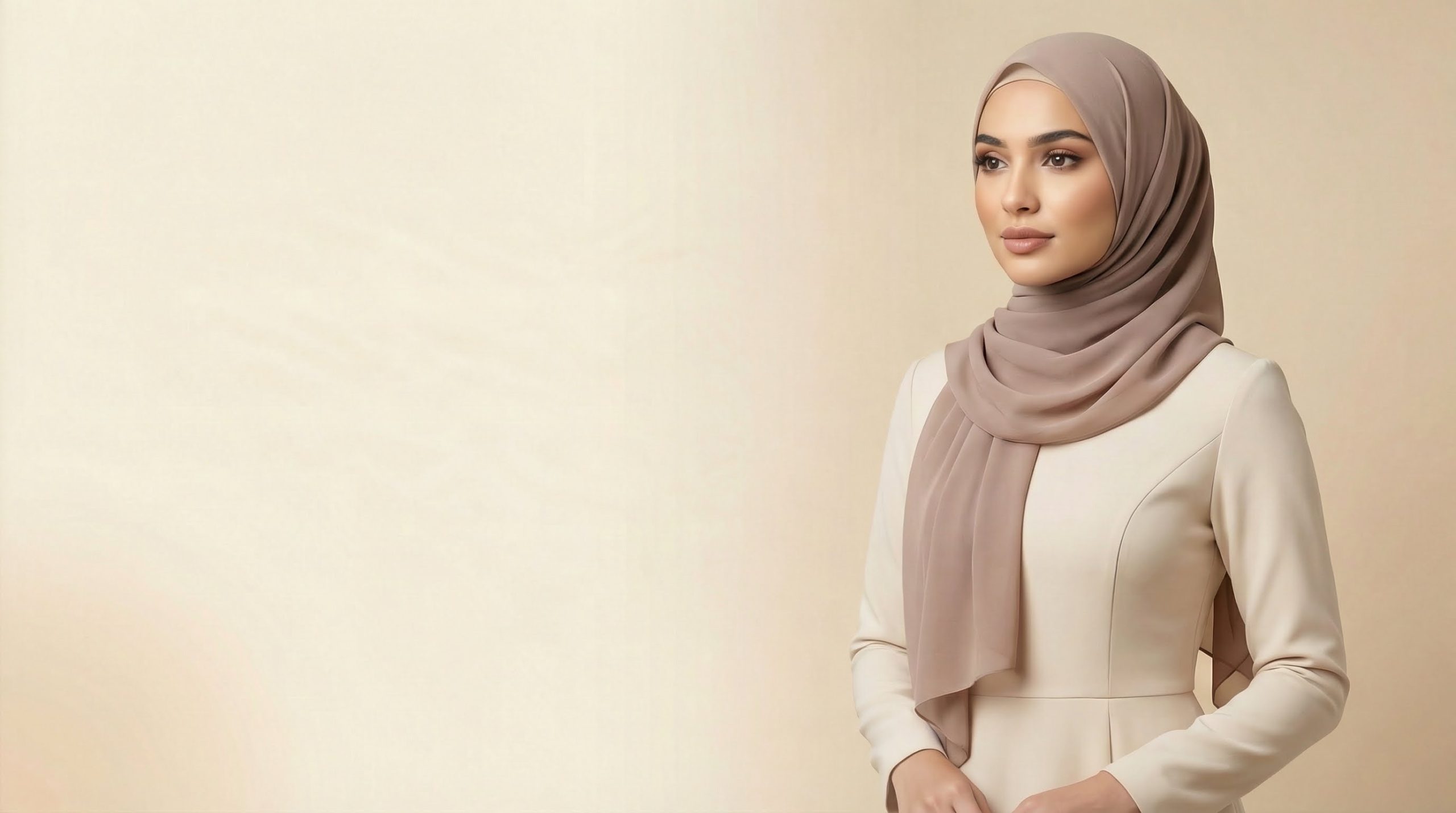
Chiffon is woven so fine that it barely registers on your head. Not “lightweight” in the vague way product descriptions use that word. Actually light. Like you pinned a layer of air to your head and somehow it stayed put. After about ten minutes of wearing a good chiffon hijab you genuinely stop noticing it’s there.
That’s not something you can say about most fabrics.
It also drapes without any effort on your part. You don’t need to fight it into shape or keep adjusting it throughout the day. It falls where you put it and mostly stays there, which is more than half the battle when you’re running between meetings or school pickups.
How It Holds Up in Indian Weather
This is where chiffon really earns its place. Indian summers are not forgiving. Fabric that traps heat against your scalp becomes genuinely unpleasant by noon, and thick synthetic materials are the worst offenders.
Chiffon breathes. Not in the way people say cotton breathes but then it still gets damp by afternoon. Chiffon actually lets air move around your head, so you don’t get that suffocating feeling even on a 38 degree day in May.
I had a customer once tell me she wore the same black chiffon hijab through a three hour outdoor wedding in Hyderabad in June and it still looked presentable in the photos. That stuck with me. Because black fabric in June in Hyderabad is not a small ask.
The Honest Part
Chiffon isn’t perfect for everything. If you need a hijab that holds a very structured style without any pinning, it can be a bit too soft and slippery. Very thin chiffon can also be slightly sheer, which means a matching undercap isn’t optional, it’s part of the outfit.
But here’s the thing. Both of those are easy fixes. A good undercap solves the sheerness completely. And for structured styles, a non-slip undercap gives chiffon just enough grip to hold a Turkish wrap or a volumizing drape without moving around on you.
It’s a two-second fix that most experienced hijabis already do without thinking.
Styling It Without Overthinking
The most common way to wear chiffon is a simple side drape, and it works because the fabric does the heavy lifting. Pin it under your chin slightly off-centre, let the longer side fall across your chest in one soft sweep. Done. It looks intentional and takes maybe ninety seconds.
For occasions, chiffon really comes alive when you double layer it. Take two complementary shades, layer one over the other before draping, and you get this subtle depth of color that photographs beautifully without feeling heavy. A dusty rose under ivory looks completely different on chiffon than it would on any other fabric because of the way light moves through the layers.
And if you’re having one of those mornings where nothing is going right, a loose chiffon turban wrap sorted with two pins is genuinely the most forgiving style there is.
What to Look for When You’re Buying
Not all chiffon is the same and this matters more than most people realise before they’ve bought a few disappointing pieces.
Very cheap chiffon pills quickly, loses its drape after a few washes, and often has an unpleasant synthetic smell when it’s new. What you want is a mid-weight chiffon with a smooth, consistent weave. It should feel soft against your fingers without feeling flimsy. Hold it up to light. If it looks almost tissue-thin, it’s probably going to disappoint you.
Color consistency matters too. Good chiffon holds dye well, so the color you buy should still look close to the same after ten washes. Poor quality chiffon fades unevenly, which is especially noticeable in solid colors like black or navy.
The Colors Worth Having
If you’re building out your chiffon collection practically, start with the neutrals. Black and ivory cover ninety percent of outfit combinations between them. A warm beige is close behind.
After that, it depends on your wardrobe. If you wear a lot of earthy tones, a rust or an olive chiffon hijab will get far more use than a bright coral. If you tend toward pastels, a soft rose or lilac in chiffon looks genuinely beautiful in a way that the same color in cotton or georgette doesn’t quite match.
Chiffon holds color in a way that makes soft shades look intentional rather than washed out. It’s one of the things the fabric does quietly well.
A Note on Care
Hand wash in cold water, press out gently, hang to dry away from direct sun. That’s genuinely all it needs. Chiffon doesn’t wrinkle badly so you rarely need to iron it, and when you do, the lowest heat setting with a cloth between the iron and fabric is enough.
Don’t machine wash it on anything above a delicate cycle and don’t wring it. The weave can distort and once that happens it doesn’t fully recover.
Treat it reasonably and a good chiffon hijab lasts years. I have pieces that are going on their fifth year and still drape exactly the way they did when they were new.
Shop our full range of chiffon hijabs at Hijabo.in* and if you want to see how chiffon compares to other fabrics before you decide, our georgette hijab* and cotton hijab* collections are worth a look too.